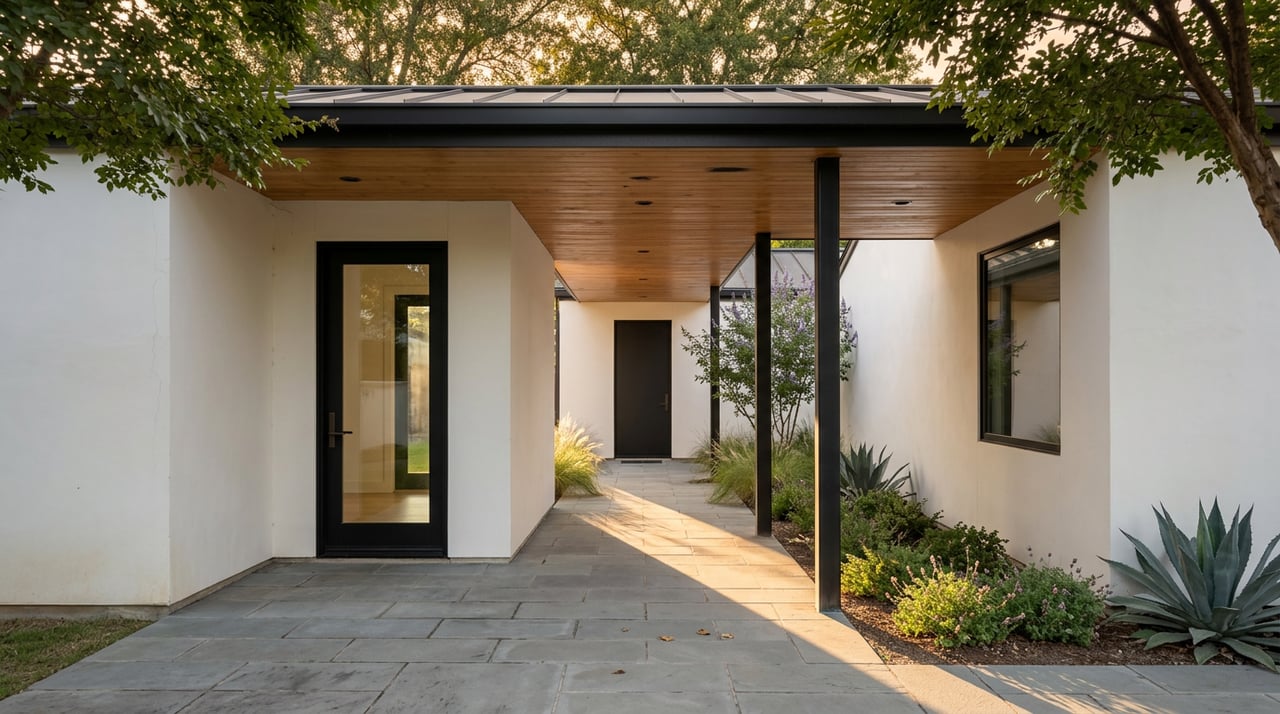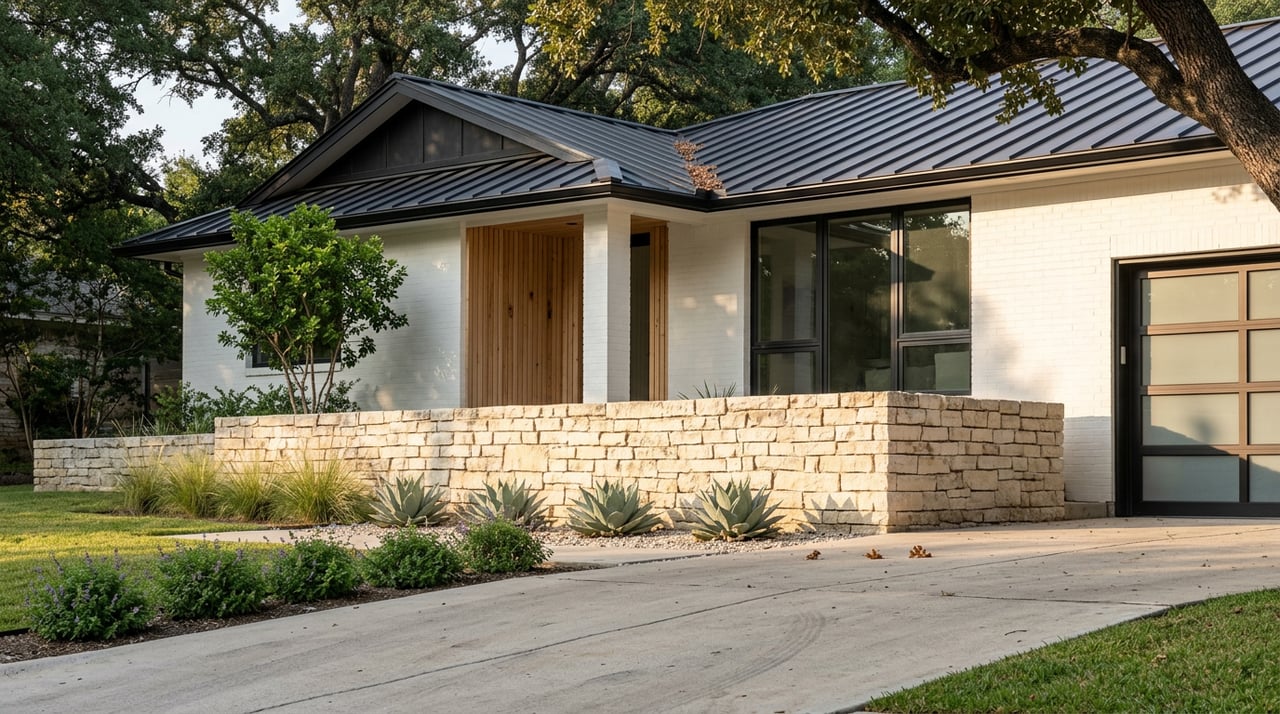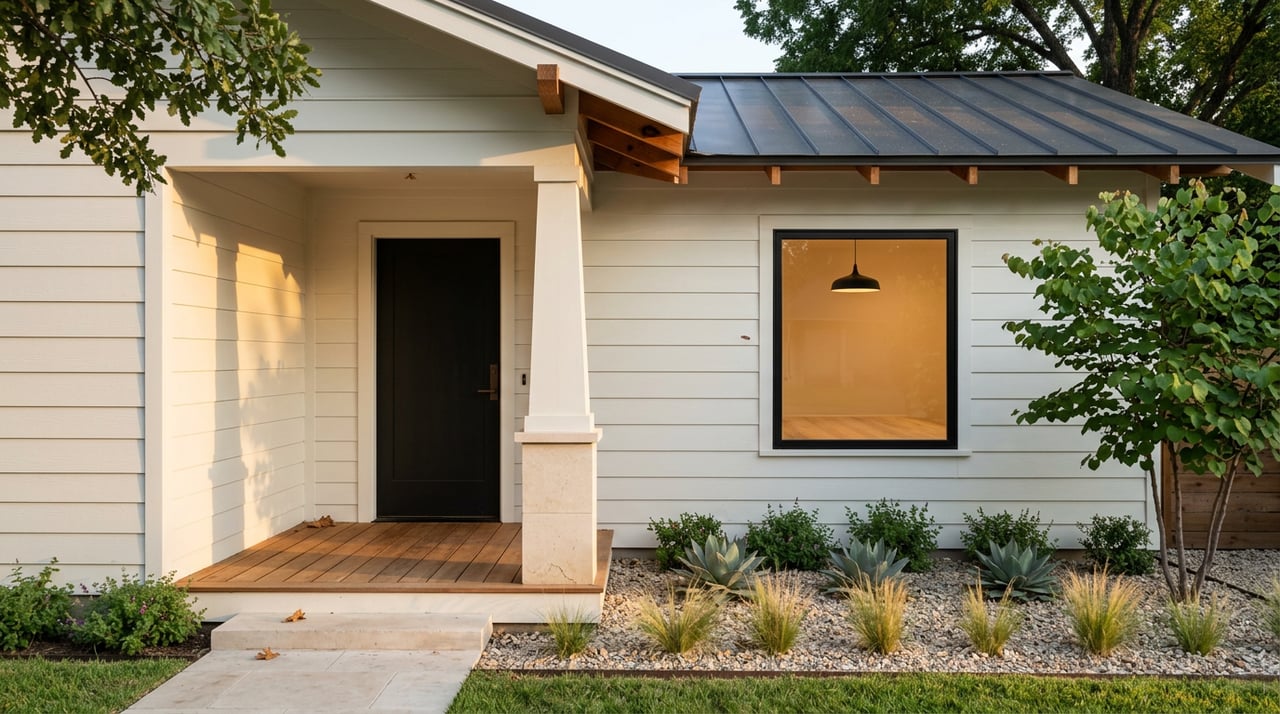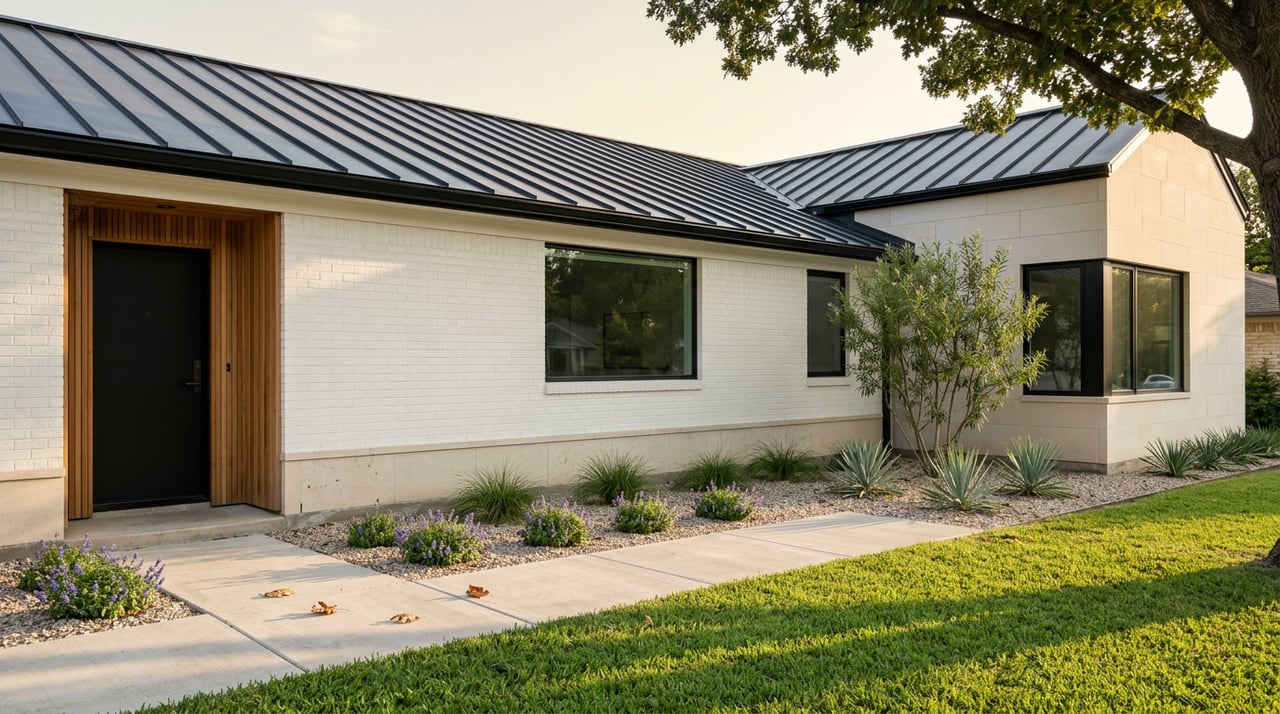
Austin's zoning process gave The Grove at Shoal Creek more time in 2026 to finish what it started nearly a decade ago. News coverage in April described it as a five-year extension. A Zoning and Platting Commission staff report filed in July tells a narrower story: a three-year extension for Blocks 1 and 2 specifically, pushing the deadline from April 24, 2026 to April 24, 2029. Both figures trace back to the same underlying project, and the gap between the headline framing and the filing's own language is worth sitting with, because it says something about how carefully anyone is tracking what happens next door to Rosedale's oldest streets.
If you've been comparing Rosedale to other Central Austin neighborhoods by pulling up the median home price, you've probably noticed the number moves around more than it should for a neighborhood this small. That's not a data error. It's because "Rosedale" on paper means a 1940s bungalow on Sinclair Avenue and a townhome inside The Grove's boundary, and those two things behave nothing alike as investments, even when they're priced within shouting distance of each other.
The extension nobody outside the neighborhood noticed
The Grove sits at the corner of West 45th Street and Bull Creek Road and has been under construction in phases since 2018. The residential side is being built by Milestone Community Builders, in partnership with Castletop Capital on the commercial portion. The commission's own staff report describes the pending work on Blocks 1 and 2 as ongoing tenant improvement and leasing activity, with the developer citing evolving market conditions as the reason the original timeline slipped.
Greg Anderson, a housing advocate who has served on Austin's Planning Commission, described the broader environment behind requests like this one bluntly: "Right now we're in a funny economic time." His concern isn't really about The Grove specifically. It's about what happens when planned new supply stalls across a city that still needs housing. Fewer new units built on schedule means more competition for what already exists, and that competition doesn't distribute evenly. It lands hardest on neighborhoods where the housing stock is fixed and old, which describes most of Rosedale outside The Grove's fence line.
Two markets, one median
Here's where the confusion shows up in the numbers. Depending on which trailing twelve-month data pull you check, Rosedale's median sale price has been reported at $965,000 and separately at $992,495. A different snapshot, dated to February 2026, put the median list price at $1,150,000 with an average sale price of $1,073,628. None of these figures is wrong. They're measuring overlapping but different windows of a market that includes 90-year-old bungalows on Woodview Avenue, mid-century ranch homes off Shoal Creek Boulevard, and brand-new construction inside The Grove, all filed under the same neighborhood name. Days on market estimates from the same sources range from 64 to 73, against a national average in the mid-50s.
That same February 2026 snapshot showed active listings ranging from roughly $490,000 for a smaller property up to $2,700,000, a wider spread than you'd expect for a neighborhood this size. That spread is the honest version of what the single median number is trying to compress into one figure. A buyer comparing Rosedale to, say, Mueller on price alone is comparing a blended average to a much more uniform new-construction market, without realizing the comparison isn't apples to apples on either side.
What you're actually buying at each price point
This is where the extension timeline stops being a curiosity and starts mattering to anyone shopping here. Texas law treats these two kinds of homes completely differently at the negotiating table.
A previously occupied bungalow triggers the state's Seller's Disclosure Notice requirement under Texas Property Code Section 5.008. The seller has to state what they know about the roof's age, the condition of the plumbing and electrical systems, any past foundation repairs, and any known defects, in writing, before the buyer is bound to the contract. A newly constructed home that has never been occupied is exempt from that same disclosure requirement. Nobody has lived there long enough to know what breaks.
That distinction isn't paperwork trivia. Central Austin homes built before 2000, and Rosedale's older stock skews well before that, commonly carry galvanized supply lines and cast iron drain lines that were durable when installed but have long since outlived their expected lifespan. Foundation movement tied to the region's expansive clay soil is common enough that repairs in the $4,000 to $12,000 range show up regularly in local inspection reports. None of that is a reason to avoid an older Rosedale home. It's a reason to budget for it and to read the disclosure form as closely as the listing photos.
| Older Rosedale bungalow (pre-1970s) | New construction (The Grove) | |
|---|---|---|
| Seller disclosure required | Yes, under Property Code 5.008 | No, exempt as never-occupied |
| Common inspection findings | Galvanized or cast iron pipe, foundation settling from clay soil | Drainage grading, HVAC installation defects |
| Typical inspection cost | $300 to $600 | $300 to $600 |
| What you're negotiating | Repair credits based on documented age and condition | Builder warranty terms and remaining construction timeline |
A Grove buyer isn't skipping risk. They're trading disclosure-based risk for a different kind: buying into a development where blocks nearby are still under an active, extended construction timeline through at least 2029. That's a real question to ask before closing, not after moving in.
Why the older side of the market isn't cheap despite its age
If galvanized pipe and foundation repairs sound like reasons prices should be falling in the older section of Rosedale, they haven't been, at least not sharply. Part of the answer is the neighborhood's built-in draw, which has nothing to do with construction dates. Ramsey Park anchors the neighborhood's identity and hosts its long-running spring performances. The Shoal Creek Trail runs along the neighborhood's western edge, connecting residents on foot or bike toward Central Market, Snooze, Tiny Boxwoods, and the Draught House without needing to drive. That kind of walkable access to established, name-recognized businesses is exactly what keeps demand steady for older homes even when a citywide slowdown is pulling other neighborhoods' numbers down. Milestone's own market research, cited in reporting on the extension, described Austin's broader housing market as down 14 percent year over year, while up 13 percent in a single recent month compared to the year before. Those swings are citywide. Rosedale's older section has been comparatively insulated, in part because there's a fixed number of century-old lots and no realistic path to building more of them.
A short checklist before you compare the two
- Ask which section of Rosedale a listing sits in. Shoalmont, Oakmont Heights, and the streets bordering The Grove have different age profiles and different disclosure obligations attached to them.
- Request the full Seller's Disclosure Notice before you write an offer on an older home, not after, and read the plumbing and foundation sections line by line.
- If you're considering new construction near The Grove, ask the builder directly which blocks are still active under the extended site plan and what that means for noise and access over the next few years.
- Budget separately for inspection outcomes on each property type. The inspection itself costs about the same either way. What it's likely to find does not.
A few questions worth asking directly
Does The Grove's construction timeline affect resale value on nearby older homes? It affects buyer experience more than appraised value in the near term. Ongoing construction traffic and timelines through 2029 are worth asking about directly if you're touring homes close to the active blocks.
Why do median price reports for Rosedale disagree by so much? Because they're measuring a market that includes very different housing types under one neighborhood label. A pull that leans toward recent Grove sales will read higher and faster-moving than one that captures more of the older bungalow inventory.
Is an older Rosedale home a riskier purchase than new construction? Different risk, not necessarily more risk. Older homes come with mandatory disclosure and a clearer paper trail on what's already been fixed. New construction comes with warranty coverage but less operating history and, in this case, a longer runway of nearby construction.
If you're trying to figure out which side of Rosedale actually fits your budget and your tolerance for a fixer versus a warranty, that's exactly the kind of comparison worth working through with someone who tracks both sides of this market closely. Erika Levack can walk you through current listings on each side of the neighborhood and what the disclosure paperwork on a specific address actually says before you write an offer. Schedule a personal market consultation to start with the numbers that apply to your situation, not the blended average.