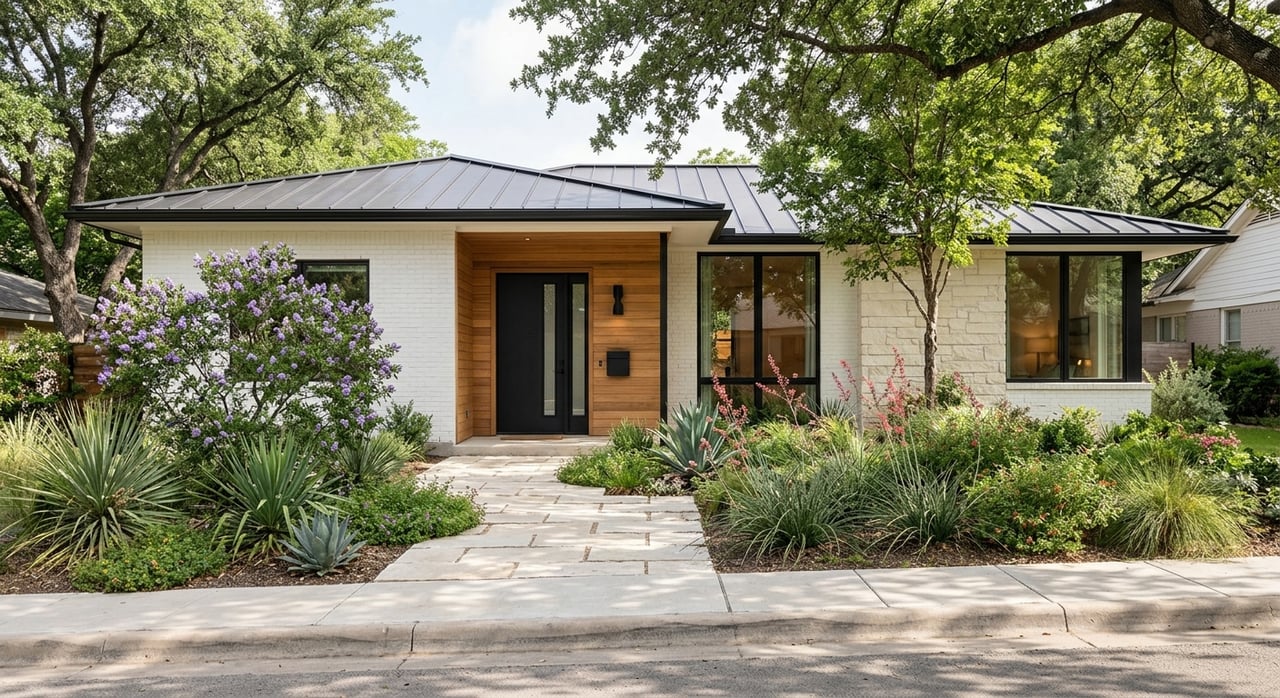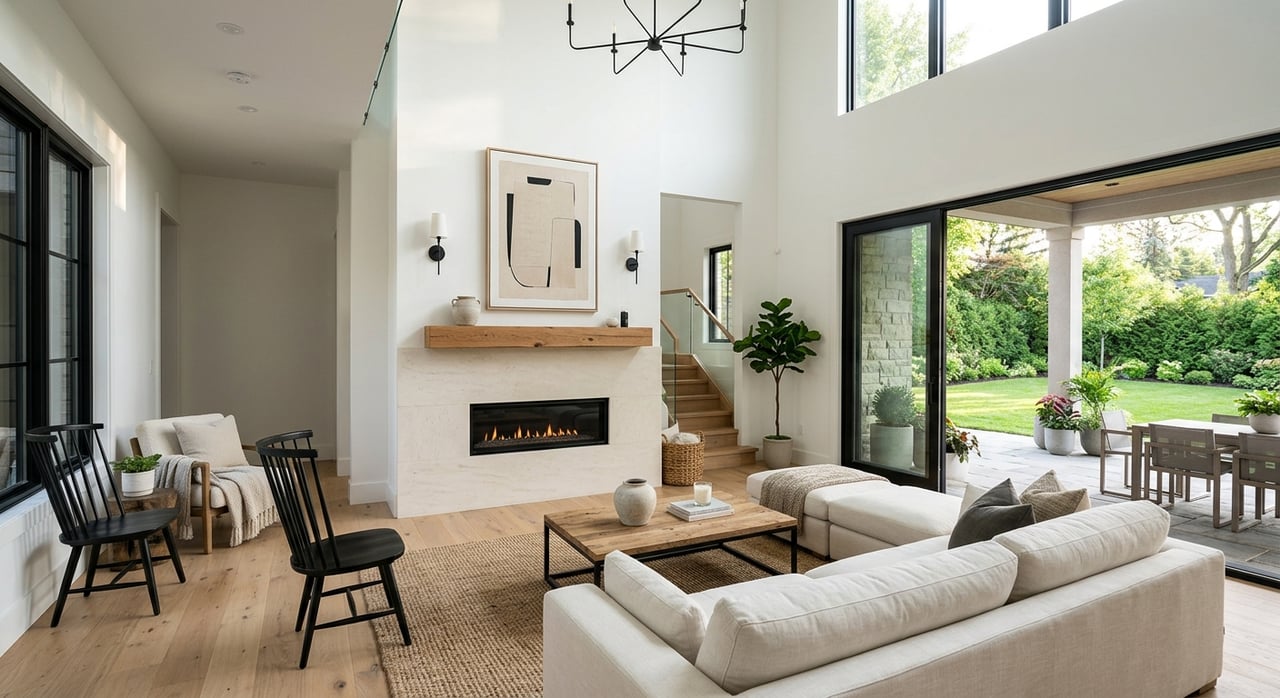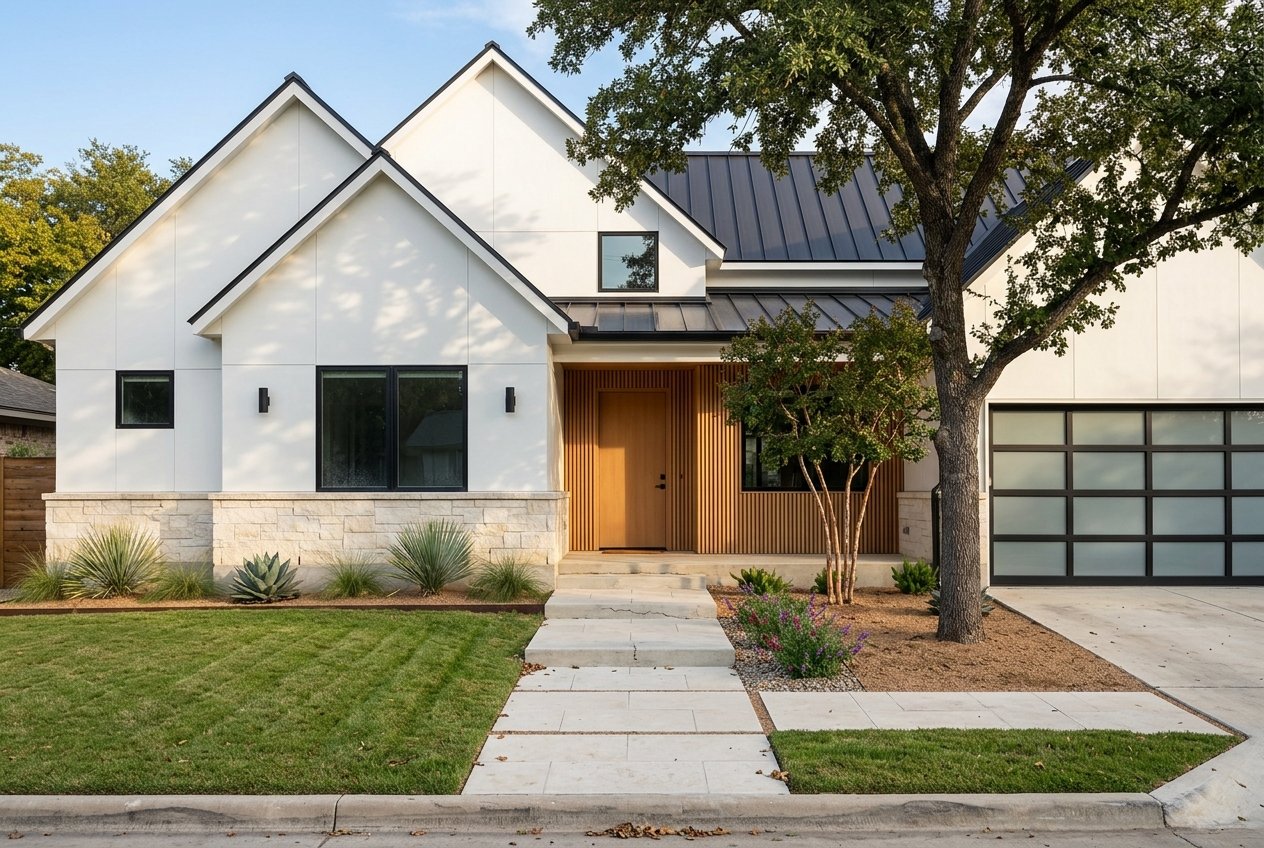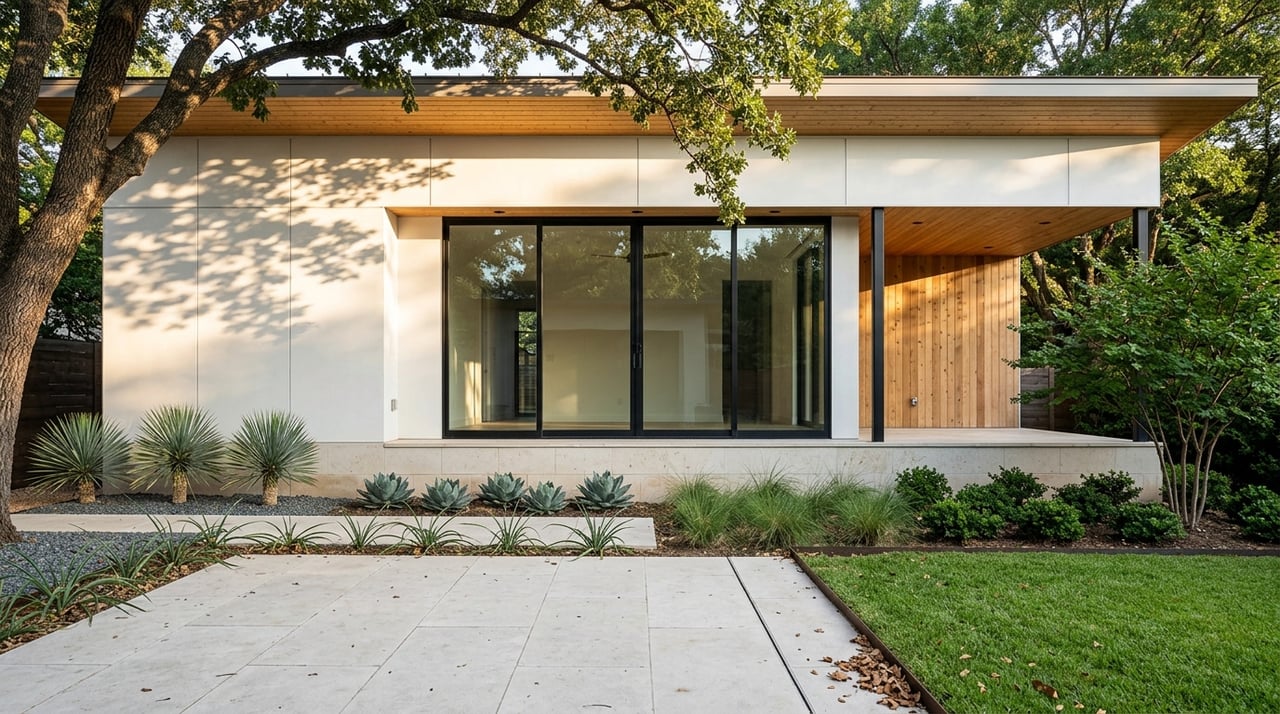
If you have been watching Barton Hills and Zilker, you have probably noticed a big shift. On some blocks, a modest bungalow or ranch home still anchors the street. On the next lot, you may see a major remodel or a brand-new contemporary home taking shape. If you are buying, selling, or weighing what to do with an older property, understanding why this is happening can help you make a smarter move. Let’s dive in.
Why rebuild pressure stays strong
Barton Hills and Zilker continue to draw attention because of their location near some of Austin’s best-known outdoor amenities. Both neighborhoods offer close access to places like Barton Springs, the Barton Creek Greenbelt, and Zilker Park, which the City of Austin describes as the city’s oldest metropolitan park and a major regional amenity.
That location advantage matters even more because much of the housing stock is older. Barton Hills grew from a 1950s subdivision plan, while many of Zilker’s earliest homes date back to the late 1920s. As buyer expectations change over time, older floor plans and smaller homes often lead owners and investors to ask the same question: renovate or start over?
Housing stock looks different by neighborhood
Barton Hills homes and lots
Barton Hills is known for being a larger-lot central Austin neighborhood. Sources vary on the exact median lot size, but available data places it between about 6,969 and 10,005 square feet. In practical terms, many lots are around one-fifth of an acre or more, which can create more flexibility for updates or replacement homes.
The neighborhood’s housing mix reflects its long development history. You will find 1970s ranch homes, split-levels, Tudor-inspired houses, some A.D. Stenger contemporary homes, and newer 2020s contemporary construction. That mix is one reason Barton Hills often appeals to both buyers who want character and buyers who want modern design.
Zilker homes and lots
Zilker also has a wide range of housing styles, but the neighborhood’s roots are older. Many of the first homes were built in the late 1920s, and the area still includes cottages, bungalows, mid-century ranch homes, and recently built contemporary houses.
Homes.com reports a median lot size of 7,405 square feet in Zilker, with lots usually a quarter acre or less. Even with somewhat smaller lots, strong demand remains because of the neighborhood’s location near South Lamar and the park system. That keeps attention on both older homes and redevelopment opportunities.
Where new builds tend to appear
In both neighborhoods, tear-down and rebuild activity tends to show up most often on parcels that can better support a larger footprint. That usually means larger lots or sites with fewer physical constraints. Current market examples point to newer construction in Barton Hills on larger lots and private cul-de-sacs, while Zilker continues to show a mix of older homes and newly built contemporary properties.
This does not mean every older home is a teardown candidate. In many cases, the lot itself, the tree canopy, setbacks, and the existing home’s condition all shape what is realistic. Still, the underlying land demand remains strong because buyers value access to central Austin amenities even when the existing structure is modest or dated.
Austin rules shape every project
If you are thinking about buying a property for renovation or replacement, lot size is only part of the story. Austin’s zoning rules control what can be built, including uses, height, setbacks, and impervious cover. That means two lots that look similar at first glance may offer very different building options.
For a full teardown of a single-family home, the City of Austin requires a residential demolition permit. If the structure is 45 years old or older, the property may also trigger Historic Preservation Office review. Properties with formal historic status follow their own review path.
Trees can change the whole plan
Tree rules are especially important in Barton Hills and Zilker because mature trees are a major part of neighborhood appeal. On residential property, Austin requires permits to remove or significantly impact regulated trees. That includes removing a tree, pruning 25 percent or more of the canopy, or disturbing the critical root zone.
On residential lots, trees 19 inches and larger are regulated. In real-world terms, protected trees can complicate placement, staging, driveway design, and construction timing. A lot that looks ideal on paper may become much less flexible once tree constraints are factored in.
Demolition is not just about the house
For larger projects, Austin’s construction and demolition recycling ordinance can also come into play. The ordinance applies to projects exceeding 5,000 square feet of new, added, or remodeled floor area, as well as all permitted demolition projects at commercial and multifamily properties.
For homeowners and buyers, this matters because a rebuild can involve more than architectural plans and contractor bids. Debris handling, inspections, and project timing can all affect carrying costs and the overall decision.
Renovate or tear down?
In Barton Hills and Zilker, the market often breaks into two broad categories. One is renovated older homes that win buyers over with character, mature trees, and location. The other is teardown or rebuild parcels that trade more on land value and future build potential.
That split can create very different outcomes depending on the property. If the current house is functional and the lot has meaningful constraints, a thoughtful renovation may preserve more value. If the parcel is larger, relatively clear, and flexible under current rules, a replacement home may support a much higher-end result.
What price points suggest
Current neighborhood-guide data shows a meaningful range in new construction pricing. In Barton Hills, new-build examples are currently showing up in the low-$2 million to low-$3 million range. In Zilker, 2020s-built single-family homes can reach about $4 million.
Those numbers do not guarantee what any specific property will support, but they do send a clear signal. Buyers are willing to pay a premium for well-located new construction in these neighborhoods. For sellers, that can raise important strategy questions about whether to sell as-is, renovate before listing, or market to buyers focused on the land itself.
What buyers should watch closely
If you are shopping in Barton Hills or Zilker, it helps to look beyond finishes. A polished older home and a teardown candidate can sit side by side, but the value story may be completely different.
Pay close attention to:
- Lot size and shape
- Tree placement and regulated tree impacts
- Age of the existing home
- Possible demolition review if the structure is 45 years or older
- Setbacks, height, and impervious cover limits
- Whether the home’s value is driven more by condition or by land
For many buyers, especially relocators, these details are easy to miss during a quick tour. A home that feels like a cosmetic update may actually face bigger site constraints, while a dated property may hold stronger long-term upside than its appearance suggests.
What sellers should consider before listing
If you own a home in Barton Hills or Zilker, your property may appeal to more than one buyer type. Some shoppers want an updated home with original character. Others are looking for a lot that can support a custom build.
That is why pricing and positioning matter so much in these neighborhoods. A seller may leave money on the table by marketing only the house and ignoring the lot’s build potential. On the other hand, if trees, setbacks, or review requirements limit redevelopment, the best strategy may be to emphasize livability, charm, and location instead.
Why these neighborhoods are now mixed markets
Barton Hills and Zilker are no longer simple vintage-home neighborhoods. Today, they function as mixed markets where older cottages, mid-century homes, substantial remodels, and custom new construction compete on the same streets.
That creates opportunity, but it also makes neighborhood-level guidance more important. The right move depends on the property, the block, and the rules that apply to that specific lot. If you want help thinking through whether a home is best valued for its current condition, renovation potential, or rebuild upside, Erika Levack can help you assess the options with a local, strategic lens.
FAQs
What drives tear-down activity in Barton Hills and Zilker?
- Strong land demand, close access to major Austin amenities, and a large supply of older homes make renovation or replacement an ongoing decision in both neighborhoods.
Are Barton Hills lots usually larger than Zilker lots?
- Available data suggests Barton Hills often has larger lots overall, with estimates ranging from about 6,969 to 10,005 square feet, while Zilker’s reported median lot size is about 7,405 square feet.
Do older homes in Barton Hills and Zilker face extra demolition review?
- Yes. In Austin, a full demolition of a single-family home requires a permit, and residential structures that are 45 years or older may trigger Historic Preservation Office review.
How do Austin tree rules affect new builds in Barton Hills and Zilker?
- Austin regulates certain residential trees, including impacts from removal, major pruning, or root-zone disturbance, which can affect site planning, construction sequencing, and overall build flexibility.
Should you renovate or tear down a home in Barton Hills or Zilker?
- It depends on the home’s condition, lot flexibility, tree constraints, and redevelopment potential. In some cases, renovation may preserve more value, while in others, the land may support a stronger replacement-home strategy.