Thinking about trading a central Austin address for bigger skies, lake time, and more room to breathe? If you are considering Lakeway or nearby Hill Country neighborhoods, you want a clear picture of daily life, schools, commutes, costs, and the realities of living near Lake Travis. You also want practical steps so you can move forward with confidence. This guide gives you a grounded look at what to expect and how to decide if the move fits your lifestyle. Let’s dive in.
Where Lakeway fits
Lakeway sits in Travis County on the southern shore of Lake Travis in the Texas Hill Country. You will find rolling hills, limestone cliffs, and oak and cedar trees that set a resort-like tone. The city blends master-planned communities, golf course neighborhoods, and quiet streets with lake views or access. Many residents look to nearby Bee Cave and Hill Country Galleria for expanded shopping and dining, with central Austin still within driving reach for bigger nights out or specialty services.
Outdoor lifestyle on Lake Travis
Lake Travis is the main attraction for boating, water sports, and waterfront dining. Access varies by neighborhood and includes private docks, community marinas, and public ramps. Because the Lower Colorado River Authority manages the reservoir system, lake levels change with conditions. That can affect dock usability and ramp access, so it is smart to follow Lake Travis information from LCRA.
If you want to be on the water without owning a boat, you can look into local marinas. Options such as Lakeway Marina and the Rough Hollow community marina offer slips, rentals, and services. For many residents, weekends revolve around early paddles, family tubing runs, and sunset cruises.
Parks, trails, and golf
Beyond the lake, you can expect neighborhood greenbelts, pocket parks, and Hill Country trail systems. Hiking, trail running, and mountain biking are common weekend rituals. Golf is a big draw as well, with several courses in and near Lakeway. Community pools, fitness classes, and HOA-sponsored events make it easy to meet neighbors and plug into local routines.
Everyday convenience
You will find everyday shopping close by, including grocery stores, pharmacies, and casual dining. For a wider mix of restaurants, shops, and services, residents often head to Hill Country Galleria in Bee Cave. Specialty retail, major museums, and bigger cultural venues are usually a trip into central Austin, which many families plan as a day or evening outing.
Healthcare access
Lakeway and nearby Bee Cave offer urgent care clinics, primary care, dental practices, and outpatient services. For major hospitals or specialty centers, most residents travel to central or west Austin. If you rely on specific specialists, map those locations as part of your home search so you understand drive times and appointment logistics.
Schools and learning
Most of Lakeway is served by Lake Travis Independent School District. Families often choose the area for the breadth of athletics, arts, and extracurriculars that larger suburban districts provide. School boundaries can change, and campus performance varies, so it is wise to check district maps and school-level data directly with Lake Travis ISD. Private school options exist across west Austin and the Hill Country, which some families combine with carpool or bus arrangements.
Homes and neighborhoods
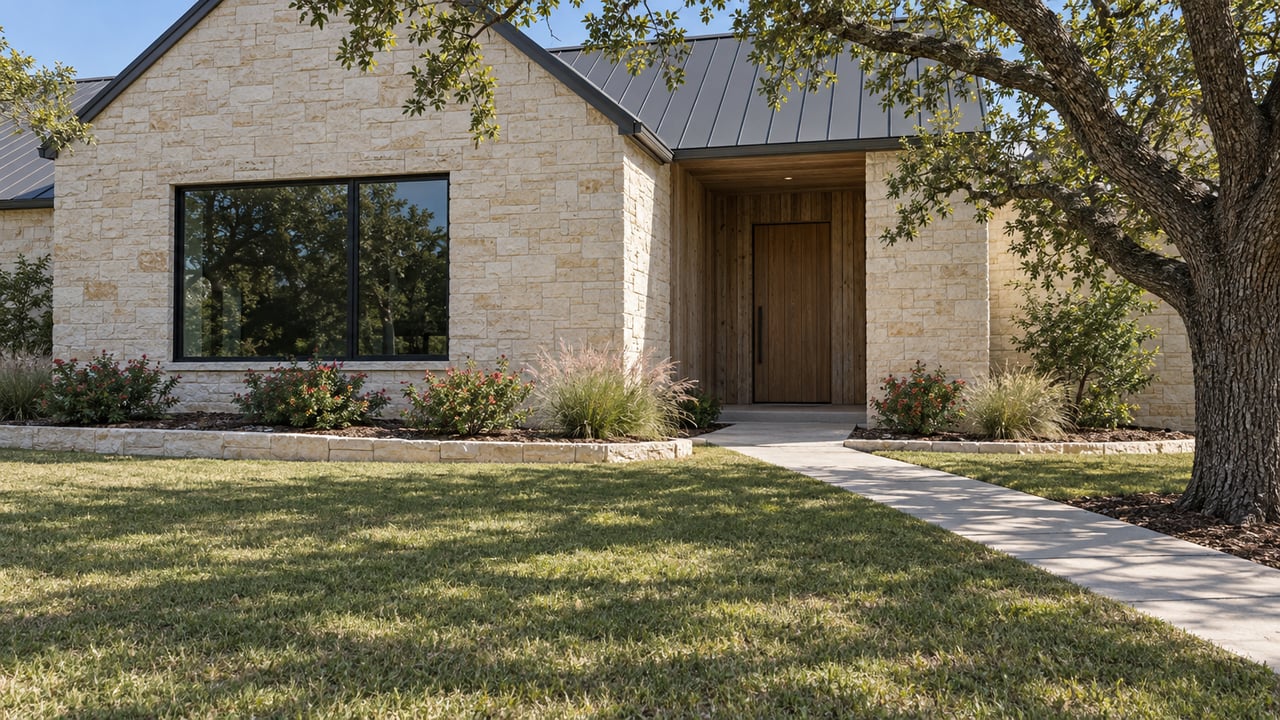
Housing in Lakeway ranges from lakefront estates and golf-course homes to newer master-planned communities and select townhomes or condos. Many move-up buyers target larger lots, lake views, or amenities like a community marina or gate-controlled entry. New construction continues in parts of the Hill Country, while infill properties and remodels appear within established Lakeway neighborhoods. Within the area there is wide variation in price and size, so focus your search on lifestyle needs first, then narrow by features and budget.
Costs, taxes, and HOAs
Costs in Lakeway are shaped by property taxes, HOA fees, utilities, and insurance. Your total monthly outlay may look different than a similarly sized home in central Austin, so review the full picture during due diligence.
Property taxes and HOAs
Most tax bills include a mix of city, Travis County, and school district line items. Some properties also fall within a municipal utility district. Many master-planned and gated neighborhoods have HOAs that fund amenities and maintenance. You can confirm assessments and review history through the Travis Central Appraisal District. Ask for current HOA documents and MUD disclosures early so you understand restrictions, amenity fees, and any special assessments.
Insurance and risk
Lake-adjacent and creekside properties can be in FEMA flood zones. Even if your lender does not require coverage, it is smart to get quotes and review the official map through the FEMA Flood Map Service Center. Wildfire risk is another consideration in the Hill Country’s oak and cedar terrain. Learn about defensible space and local best practices with the Texas A&M Forest Service. Insurance markets can shift, so check availability and premiums early in your process.
Commute and transportation
Most residents commute by car. Common routes include RM 620, Bee Cave Parkway, and connections to MoPac, SH-71, and US-290 depending on your destination. Peak-hour traffic can lengthen travel times into downtown and major employment centers. Public transit exists at a regional level, though coverage is lighter than central Austin. You can review options and park-and-ride information with Capital Metro.
Hybrid work has made the move to Lakeway easier for many professionals. If you commute a few days a week, test your routes at typical times so you understand the real door-to-door time from the neighborhoods you like.
Relocation checklist
Use this short list to make better, faster decisions:
- Visit at different times of day. Drive your likely commute routes on weekday mornings and evenings. Return on a weekend to gauge lake traffic and neighborhood activity.
- Verify school details. Confirm attendance boundaries and ask the district for current information on programs and campuses.
- Confirm flood exposure. Check the address on the FEMA flood map and get insurance quotes if needed.
- Review taxes and HOA rules. Pull assessments from Travis CAD, then request HOA covenants, amenity details, and fee schedules.
- Ask about marinas and water access. If lake time drives your move, learn dock rules and waitlist policies at communities and marinas like Lakeway Marina or Rough Hollow. Also keep up with LCRA updates about lake conditions.
- Check utilities and broadband. Verify the specific providers for water, electric, and internet at the address. Remote work may require higher speeds.
Is Lakeway right for you?
Choose Lakeway if you value quiet streets, outdoor recreation, and a home that feels like a weekend retreat during the week. You will trade a shorter urban commute and a dense restaurant scene for bigger skies, more privacy, and strong community programs. If your must-haves include a walkable nightlife or frequent late-night trips downtown, central Austin may still be a better fit. If your wish list includes boating mornings, trail afternoons, and neighborhood gatherings, Lakeway delivers.
Next steps
A thoughtful plan turns a big move into a smooth one. Start with lifestyle priorities, then align neighborhoods, school options, commute realities, and total cost of ownership. If you want a clear, data-informed path to the right home, connect with Erika Levack to schedule a personal market consultation.
FAQs
Is Lakeway a good commute to downtown Austin?
- It depends on your schedule and route. Most residents drive via RM 620 and connecting highways, and peak traffic can add time. Test your route during typical commute hours.
How does Lake Travis water level affect living there?
- Lake levels fluctuate under LCRA management, which can influence dock access and boat ramps. Check LCRA resources and ask communities about low-water plans.
What should I know about flood and wildfire risks?
- Review the FEMA map for your address and get insurance quotes, then learn wildfire preparedness through the Texas A&M Forest Service. Risk varies by property.
Which schools serve Lakeway neighborhoods?
- Lakeway is primarily served by Lake Travis ISD. Verify current attendance boundaries and campus data directly with the district.
What extra costs should I plan for beyond the mortgage?
- Budget for property taxes, possible MUD assessments, HOA dues, and insurance. Confirm assessments with Travis CAD and review HOA documents during option period.